

Psychological Evaluations
Comprehensive psychological assessments to help better understand the social, educational, and behavioral needs of your child

Personalized Applied Behavior Analysis for Children with Autism
Every child follows a unique developmental path, and effective autism treatment begins with understanding individual strengths and goals. Through CCSN's nearby Glastonbury clinic, ABA therapy in Wethersfield, CT is delivered using evidence-based interventions that promote communication, social development, adaptive behavior, and everyday independence.
Children participate in structured, center-based therapy within thoughtfully designed treatment spaces where learning is guided by Board Certified Behavior Analysts and experienced clinical staff. Ongoing collaboration with families and continuous progress monitoring ensure each treatment plan evolves alongside the child's growth. By providing ABA therapy in Wethersfield, CT, CCSN helps children develop practical skills that support success across home, school, and community environments.
Contact Us View All Educational Services

Lead Administrative Specialist
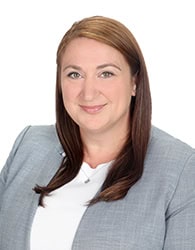
Consultation Director
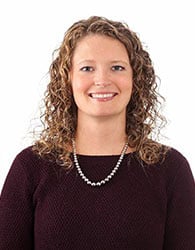
Consultation Director
Organizational Compliance Director
Consultation Director

Director of Occupational Therapy Services

Co-Executive Director

Co-Executive Director & Founder

Director of Psychological Services
Clinical decisions are guided by ongoing data collection, direct observations, and regular BCBA reviews. As a child progresses, intervention strategies and therapy goals are refined to ensure services remain effective, individualized, and aligned with developmental needs.
No. While behavioral concerns may be addressed, ABA therapy also emphasizes communication, social engagement, adaptive functioning, self-help skills, emotional regulation, and learning strategies that support greater independence across everyday environments.
A center-based environment offers predictable routines, specialized therapy spaces, and opportunities for structured learning. This setting helps clinicians provide individualized interventions while creating consistent experiences that support skill development and encourage meaningful participation.
We value collaboration with caregivers throughout the therapy process. Families receive regular updates, participate in treatment discussions, and learn practical techniques that help reinforce targeted skills and encourage consistency outside the clinical environment.
Treatment duration varies based on child age, symptom severity, response to intervention, and family goals. Some children benefit from intensive short-term services addressing specific deficits while others continue treatment across many years. We establish clear, measurable goals and monitor progress using objective data.
Board Certified Behavior Analysts provide continuous supervision, review treatment data, observe therapy implementation, and mentor clinical staff. This structured oversight ensures services remain evidence-based, consistent, and responsive to each child's progress.
Yes. Therapy often targets foundational skills that contribute to classroom success, including following instructions, maintaining attention, transitioning between activities, participating in group settings, and communicating effectively with teachers and peers.