


Psychological Evaluations
Comprehensive psychological assessments to help better understand the social, educational, and behavioral needs of your child

Personalized Center-Based ABA Services for Children with Autism
The center features thoughtfully designed treatment spaces where children participate in one-on-one and structured learning activities that promote communication, social interaction, and everyday living skills. Every child receives a personalized treatment plan developed and supervised by Board Certified Behavior Analysts, ensuring therapy reflects their unique strengths, goals, and developmental progress.
Through ABA therapy in Manchester, CCSN delivers compassionate, evidence-based care that empowers children to build confidence, increase independence, and achieve meaningful outcomes while providing families throughout Manchester with trusted support close to home.
Contact Us View All Educational Services

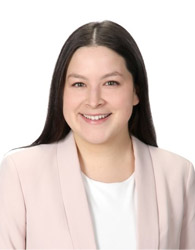
Lead Administrative Specialist
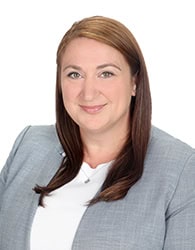
Consultation Director
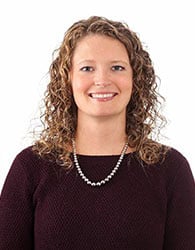
Consultation Director
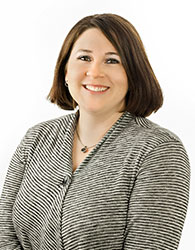
Organizational Compliance Director
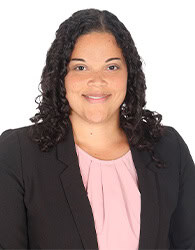
Consultation Director

Director of Occupational Therapy Services

Co-Executive Director

Co-Executive Director & Founder

Director of Psychological Services
CCSN's clinical team regularly tracks each child's progress through ongoing assessments and observations. Treatment strategies are adjusted as milestones are achieved to support continued learning and meaningful developmental growth.
Parents are valued members of the therapy team. We share progress updates, provide practical strategies, and encourage family involvement to help children apply new skills at home and in everyday situations.
ABA therapy focuses on helping children improve communication, social interaction, emotional regulation, daily living abilities, play skills, and positive behaviors that support greater independence across different environments.
Before services begin, we conduct a comprehensive evaluation that includes developmental history, behavioral observations, caregiver input, and standardized assessment tools when appropriate. This information guides the development of an individualized treatment plan.
Progress is tracked using objective data collected during every therapy session. Clinicians analyze performance trends, monitor skill acquisition, and evaluate behavioral outcomes to ensure treatment remains effective and goal-oriented.
Board Certified Behavior Analysts oversee treatment planning, supervise clinical staff, review data, conduct ongoing assessments, and modify intervention strategies to maintain high-quality, evidence-based care throughout the therapy process.
ABA programs are designed to be flexible. As children develop new skills or face different challenges, we update treatment objectives and intervention strategies to reflect their current developmental and behavioral needs.