
- Who We Serve
- Early Learner Center
Autism Early Intervention Connecticut (Ages 2–5)
Play-based, interdisciplinary care that helps young children build social, communication, and school-readiness skills
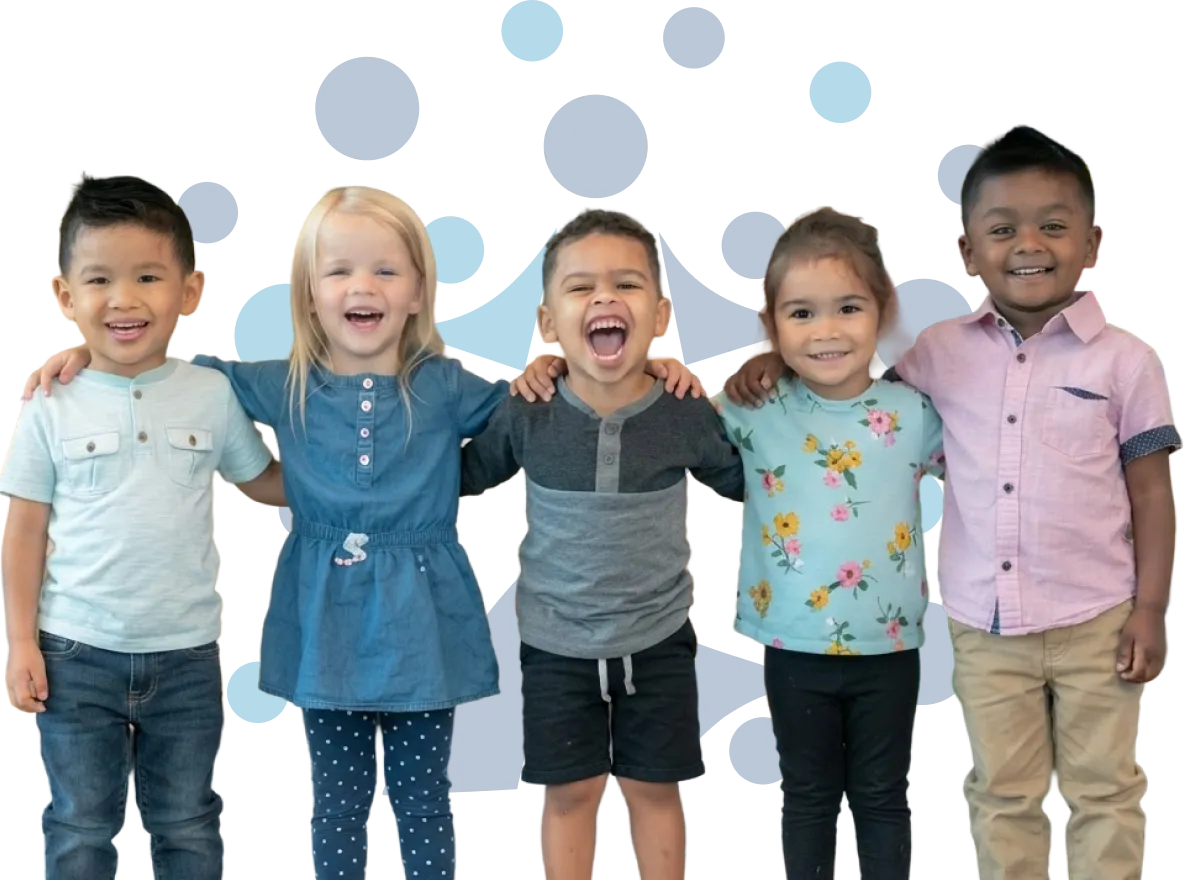
About the Early Learning Center (ELC)
The Early Learning Center at CCSN is a specialized program for children ages 2–5 with autism and related developmental needs. Individualized, evidence-based care is delivered in a nurturing and natural environment designed around how young children learn best: through play, exploration, relationships, and predictable routines.
Our interdisciplinary team brings together applied behavior analysis, speech-language therapy, and occupational therapy to support communication, social interaction, emotional regulation, motor development, play, and everyday independence.
With individualized attention and active family collaboration, each child’s program is shaped around their strengths, needs, and stage of development.
Play-Based ABA for Young Children with Autism
ABA is an important part of the Early Learning Center, but therapy does not have to feel clinical. Children build meaningful skills through play, familiar routines, and engaging activities designed around their interests and developmental goals.

Learning through play
Children practice communication, flexibility, problem-solving, and social interaction through activities that feel natural, engaging, and fun.
Meaningful everyday skills
Individualized goals focus on skills that help children participate more fully at home, in preschool, and in their communities.
Preparation for group learning
Children gradually build the skills needed for preschool and kindergarten, including following routines, learning alongside peers, transitioning between activities, and participating in groups.
Skills that extend beyond the ELC
Our team works with families to help children use developing skills across people, activities, and everyday settings.
Speech and language pathology (SLP) therapy
Functional communication development
Children work on expressive and receptive language skills, helping them communicate wants, needs, emotions, and ideas through verbal and alternative communication methods.
Social interaction and play-based communication
Therapy sessions encourage joint attention, turn-taking, social engagement, and play-based communication that support interactions with peers, family members, and teachers.
Occupational therapy
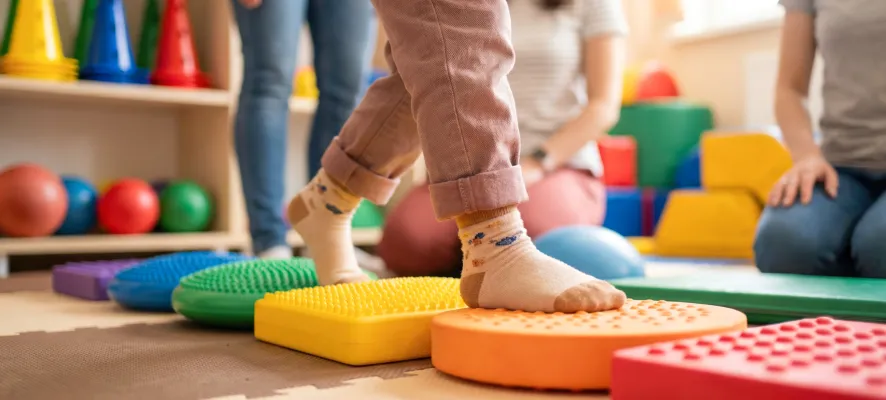
Sensory processing and regulation
Children learn strategies that help them respond to sensory experiences more effectively, improving comfort, attention, and participation throughout the day.

Motor skills and daily routines
Therapy focuses on fine motor development, coordination, self-care skills, and everyday activities that support greater independence at home, at school, and in the community.
Learn more about our Early Learner Center
"*" indicates required fields
Frequently asked questions
What makes the Early Learning Center a unique learning center for autism?
How does ABA therapy for kids in Connecticut work at CCSN?
Who benefits from ABA therapy for kids with autism?
Does the program include an autism speech therapy program?
What age group does the Early Learning Center serve?
How does CCSN support families during treatment?
Is this ABA therapy for kids appropriate for school readiness?
How does ABA therapy for kids support early development?